MPRCC

When the Water Rises: Winter, El Niño, and the Unseen Crisis Along Our Waterways
When most of us hear a heavy rain forecast, our minds jump to cozy routine adjustments: pulling out the heavy jackets, checking the windshield wipers, or listening to the rain fall against a secure roof.
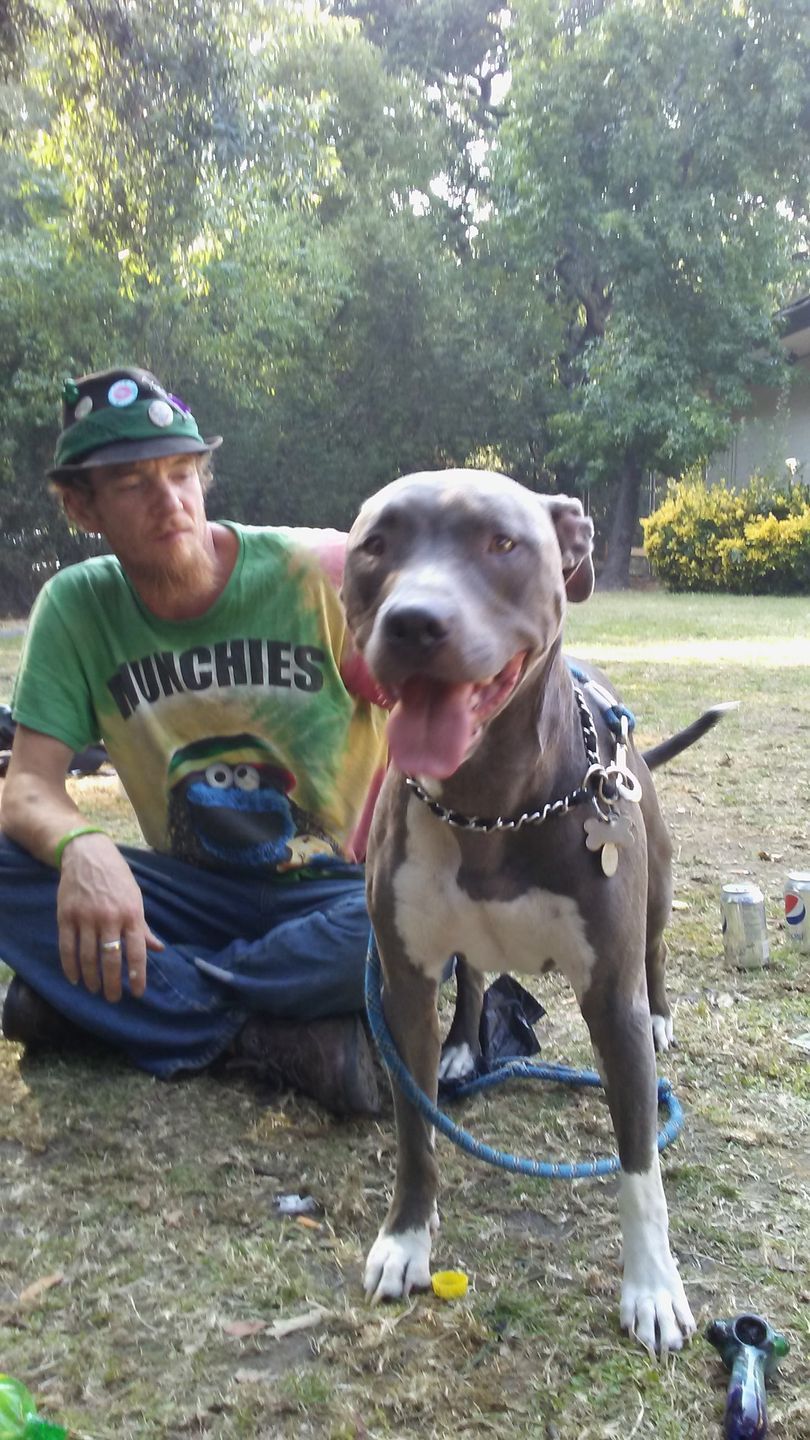
But for our unhoused neighbors living in encampments along local creeks, riverbanks, and low-lying drainages, the sound of atmospheric rivers and impending El Niño storms brings something entirely different: pure survival pressure.
Water isn’t just uncomfortable when you live outdoors—it is relentless, invasive, and rapidly life-threatening.
The Reality on the Ground: Flood Threats and Flash Rising Water
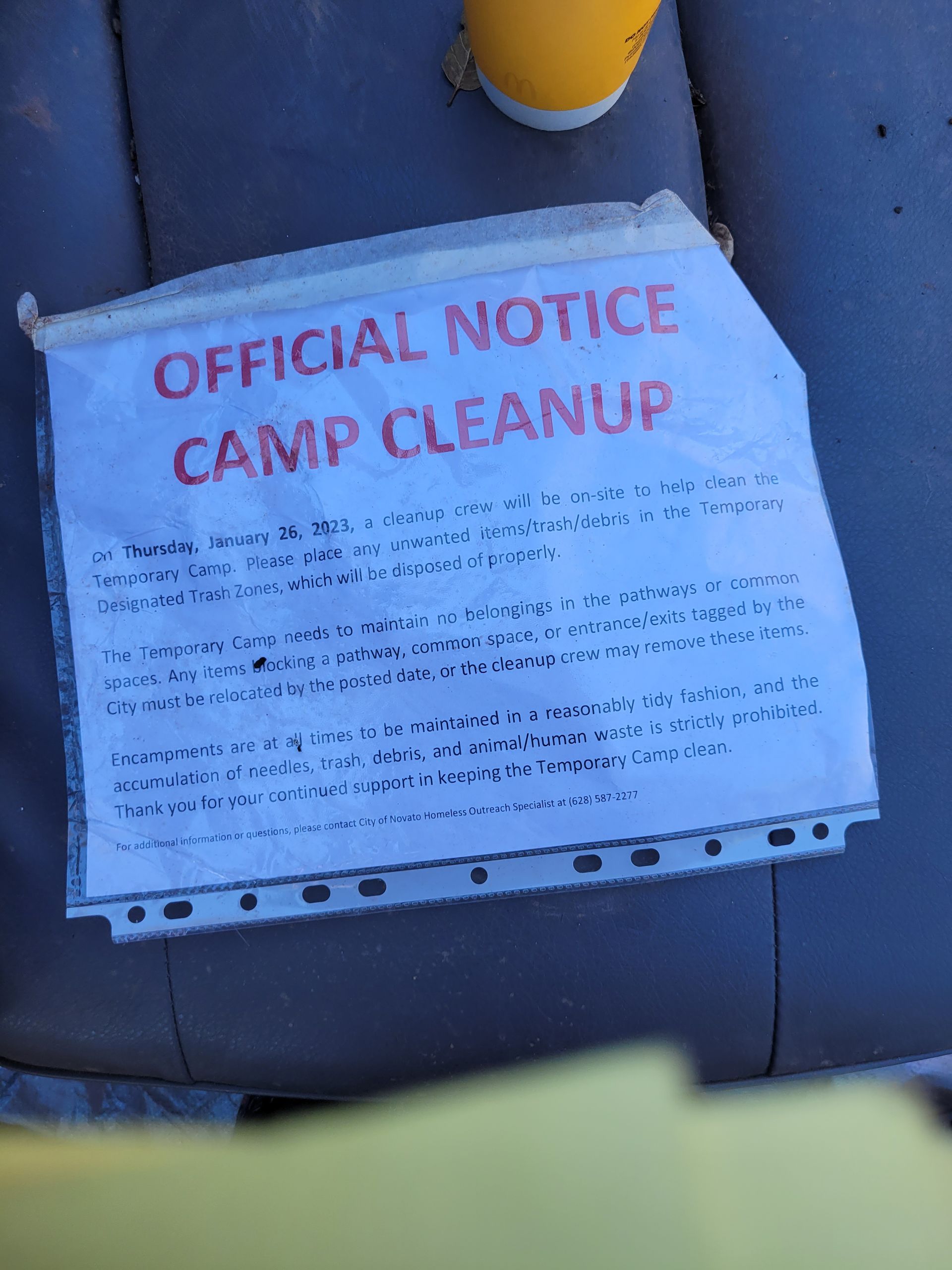
As coastal weather patterns shift and severe winter storms loom, encampments situated near waterways face immediate flooding risks.
When torrential rain hits dry or saturated ground, quiet creek beds can turn into raging torrents in a matter of hours. Tent structures, essential bedding, dry clothing, identification documents, and medication can be swept away or ruined in minutes. Once gear gets soaked in freezing temperatures, hypothermia doesn't wait for nightfall.
Moving away from the water sounds simple on paper, but where do you go when designated safe shelter options are full or unavailable? For many, staying near hidden brush or waterways has historically been the only way to find privacy, safety, and a sense of stability. When storm surges force people to relocate instantly, they often lose everything they own and the vital community safety networks they rely on to stay alive.
The Silent Toll: Elders Facing Winter Outdoors
Among the most vulnerable populations living through these harsh winters are unhoused elders.
Aging outdoors takes a devastating physical toll. Chronic conditions—arthritis, heart disease, diabetes, mobility limitations, and respiratory issues—are severely aggravated by dampness, mud, and prolonged cold.
- Severe Cold and Joint Mobility: Cold weather locks up joints, making simple acts like standing, dressing, or moving gear to higher ground painful or impossible without assistance.
- Respiratory Risks: Prolonged moisture combined with inadequate shelter creates damp environments that trigger severe bronchitis, pneumonia, and underlying lung conditions.
- Managing Care in the Mud: Chronic wound care, insulin storage, and keeping life-saving prescriptions dry become daily battles when your living space is surrounded by rising water and mud.
Our elders deserve dignity, warmth, and protection, yet many are facing another severe storm season with nothing more than a tarp between them and the saturated ground.
Solution-Driven Action: How We Turn Compassion into Protection
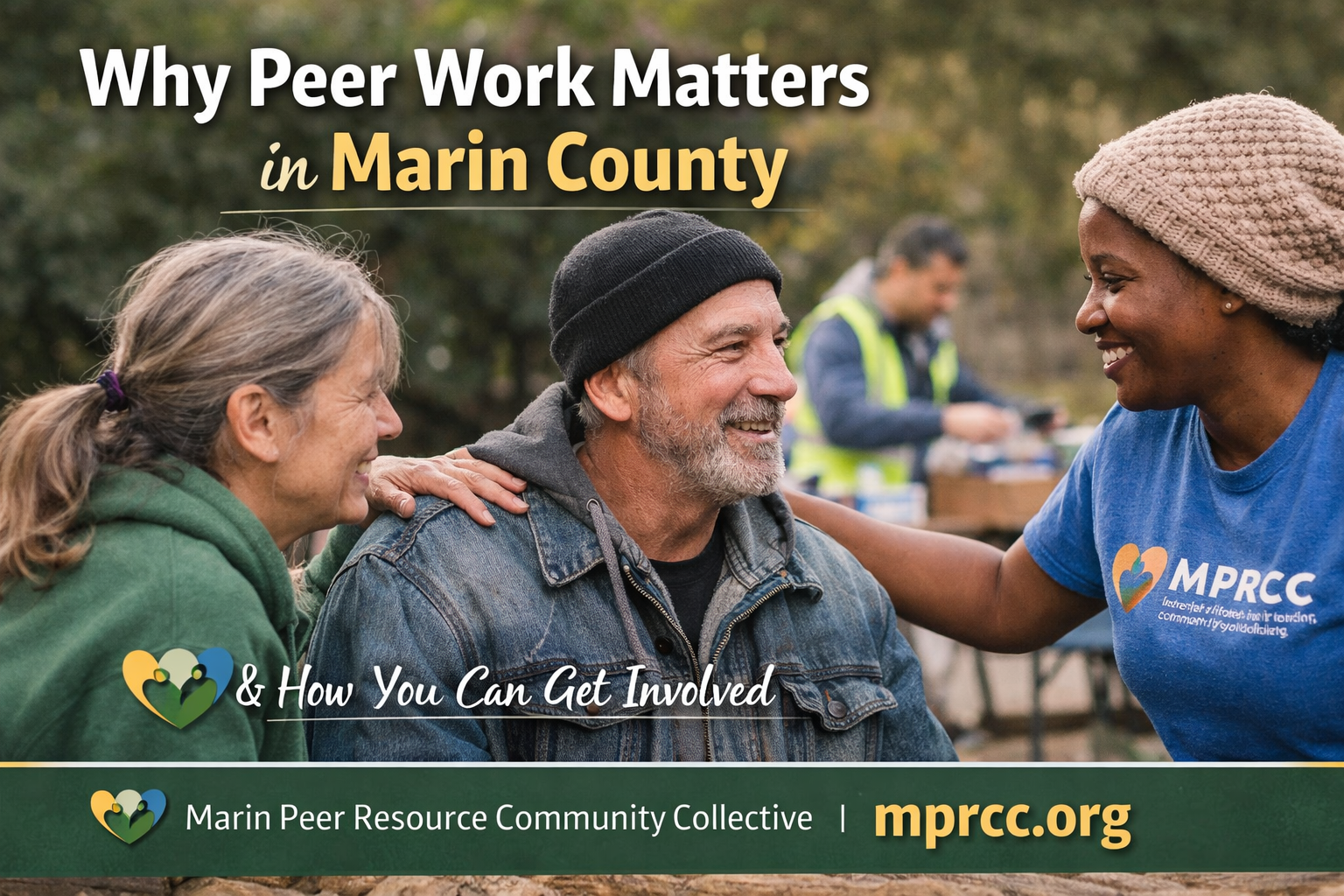
Empathy is essential, but empathy without action leaves our neighbors in the cold. At the Marin Peer Resource Community Collective (MPRCC), our focus is always Compassion in Motion—meeting people right where they are with practical, solution-driven support before, during, and after the storms hit.
Here is how direct community action makes a life-saving difference, and how you can be a part of the solution:
1. Direct Outreach & Pre-Storm Prep
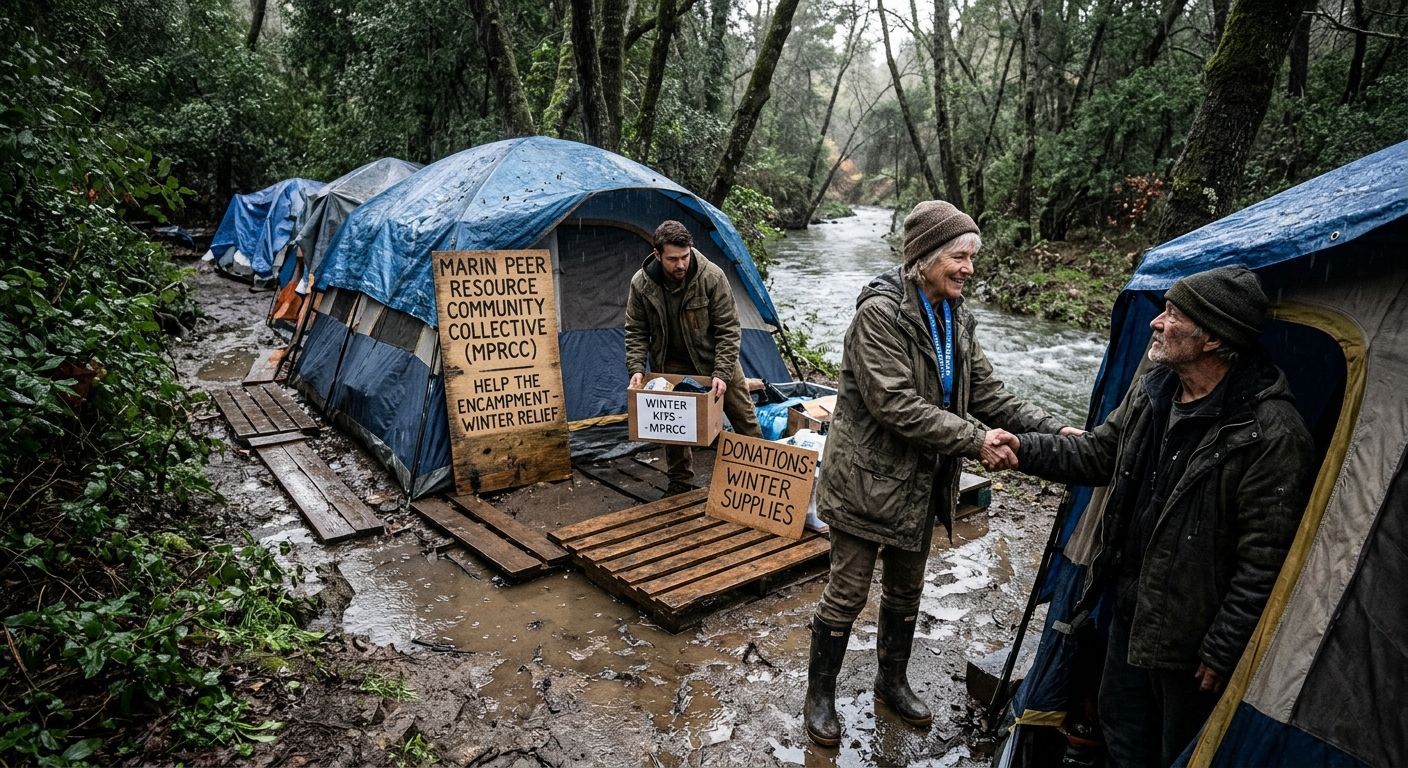
Before atmospheric rivers arrive, peer outreach teams work directly along field corridors to distribute critical weatherproofing supplies:
- Heavy-duty elevated tarps, tie-downs, and industrial pallets to keep bedding off frozen, soaked ground.
- Sub-zero rated sleeping bags, waterproof outerwear, thermal layers, and dry socks.
- Waterproof sealable bags and containers for vital documents, medications, and electronics.
2. Rapid Emergency Resupply
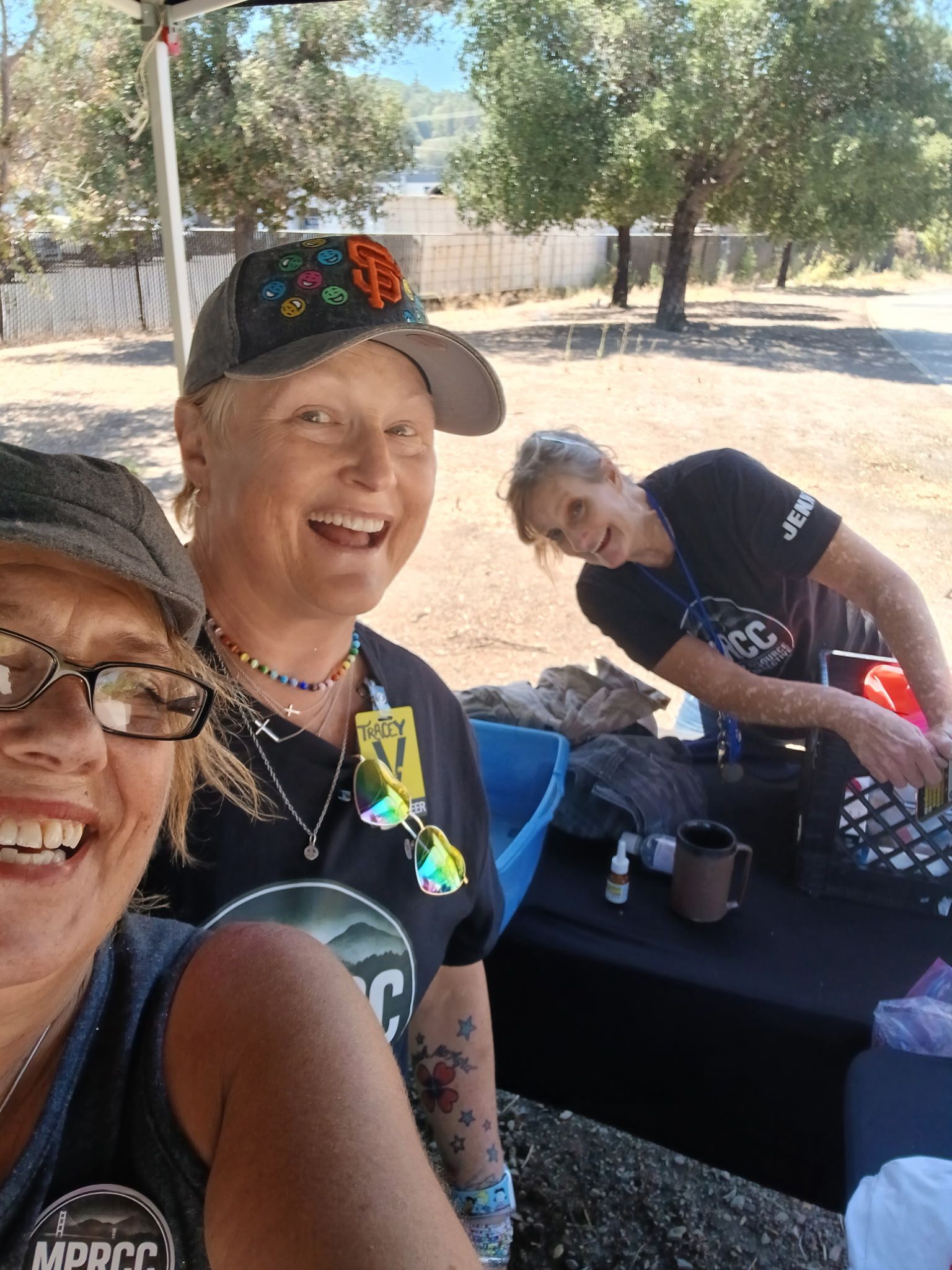
When gear is destroyed by localized flash flooding, immediate replacement is critical. MPRCC provides rapid-response pop-up supplies and essential distribution—delivering dry clothes, warm blankets, hot food, and hygiene kits directly to those impacted.
3. Human Connection & Peer Support
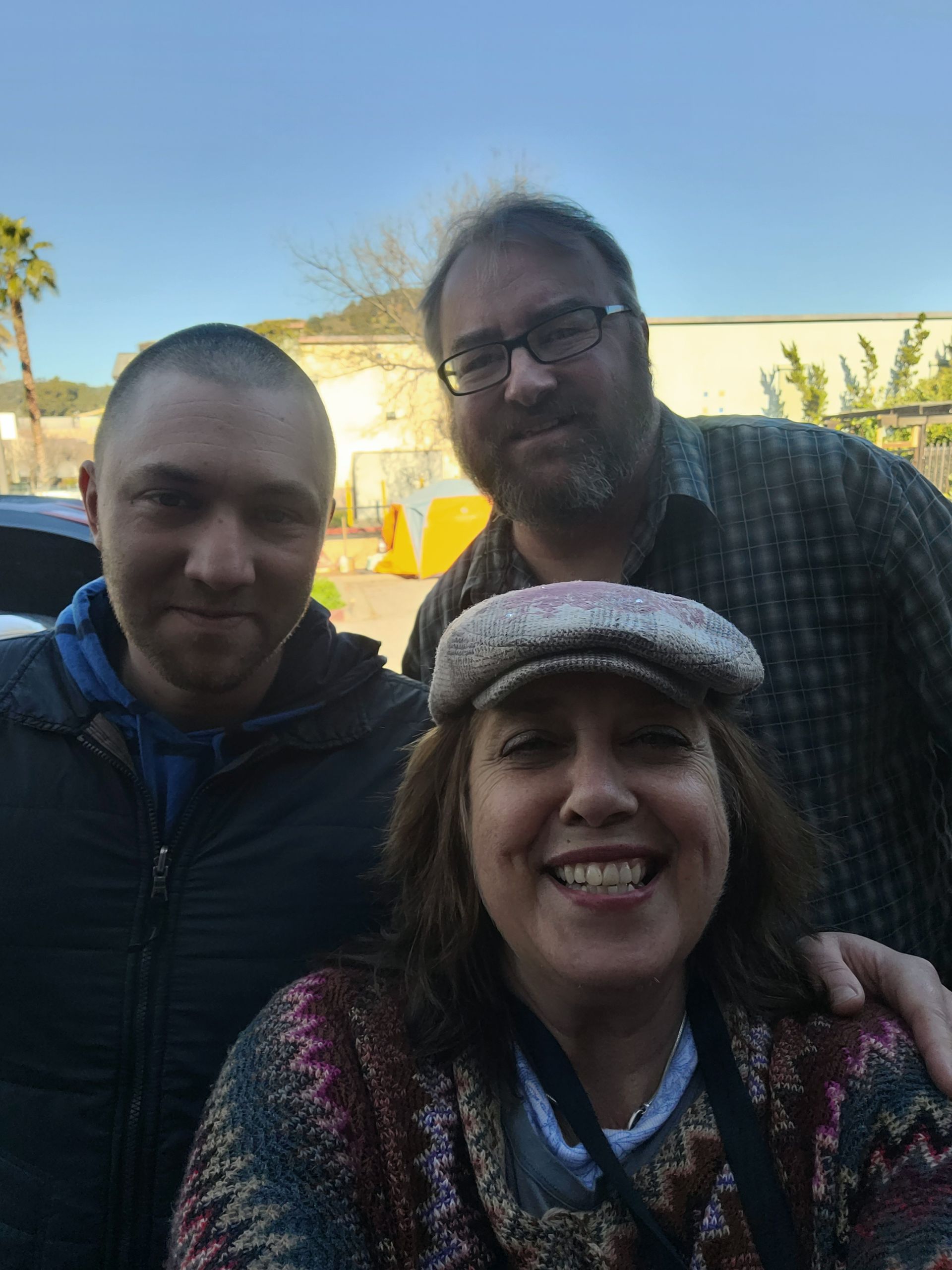
Navigating winter systems requires trust. Because our teams are rooted in lived experience and peer support, we build continuous relationships with individuals in encampments, helping track wellness, assist with emergency movement when waters rise, and bridge connections to essential local resources and emergency services.
How You Can Help Right Now
We cannot stop the rain from falling, but together as a community, we can decide how many of our neighbors have to weather it alone.
- Donate Winter Gear: High-demand items include heavy-duty waterproof tarps, thermal socks, rain ponchos, waterproof gloves, hand warmers, and sub-zero sleeping bags.
- Support Field Operations: Financial contributions directly fund rapid-response supplies and community pop-up outreach efforts during extreme weather events. You can support MPRCC directly via our Make a Donation | MPRCC | BetterWorld https://share.google/Aa49dIPegUOpxDZT4
- Spread the Word: Share this story, foster empathy in community discussions, and remember that solidarity, dignity, and local care save lives.
-
Cultivate Kindness. Grow Community.
Together, we can build a stronger safety net for everyone in our community. Join MPRCC in bringing compassion into motion this winter.
MPRCC