MPRCC
Fighting the invisibility of homelessness through Encampments
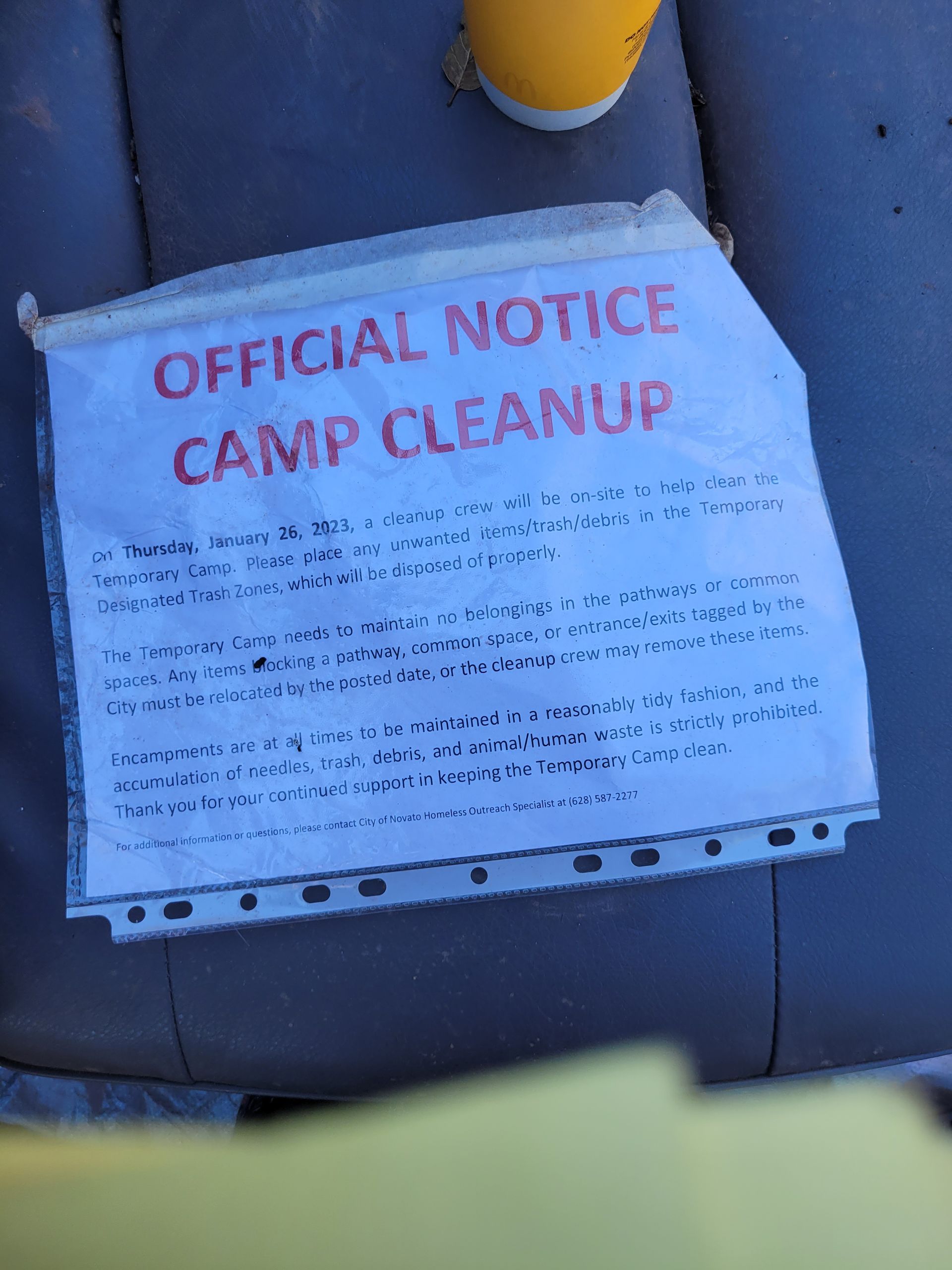
When people talk about homelessness, they often focus on what’s visible—tents, tarps, makeshift structures lining sidewalks or tucked into wooded areas. What’s less visible, and far more important, is why these encampments exist in the first place.
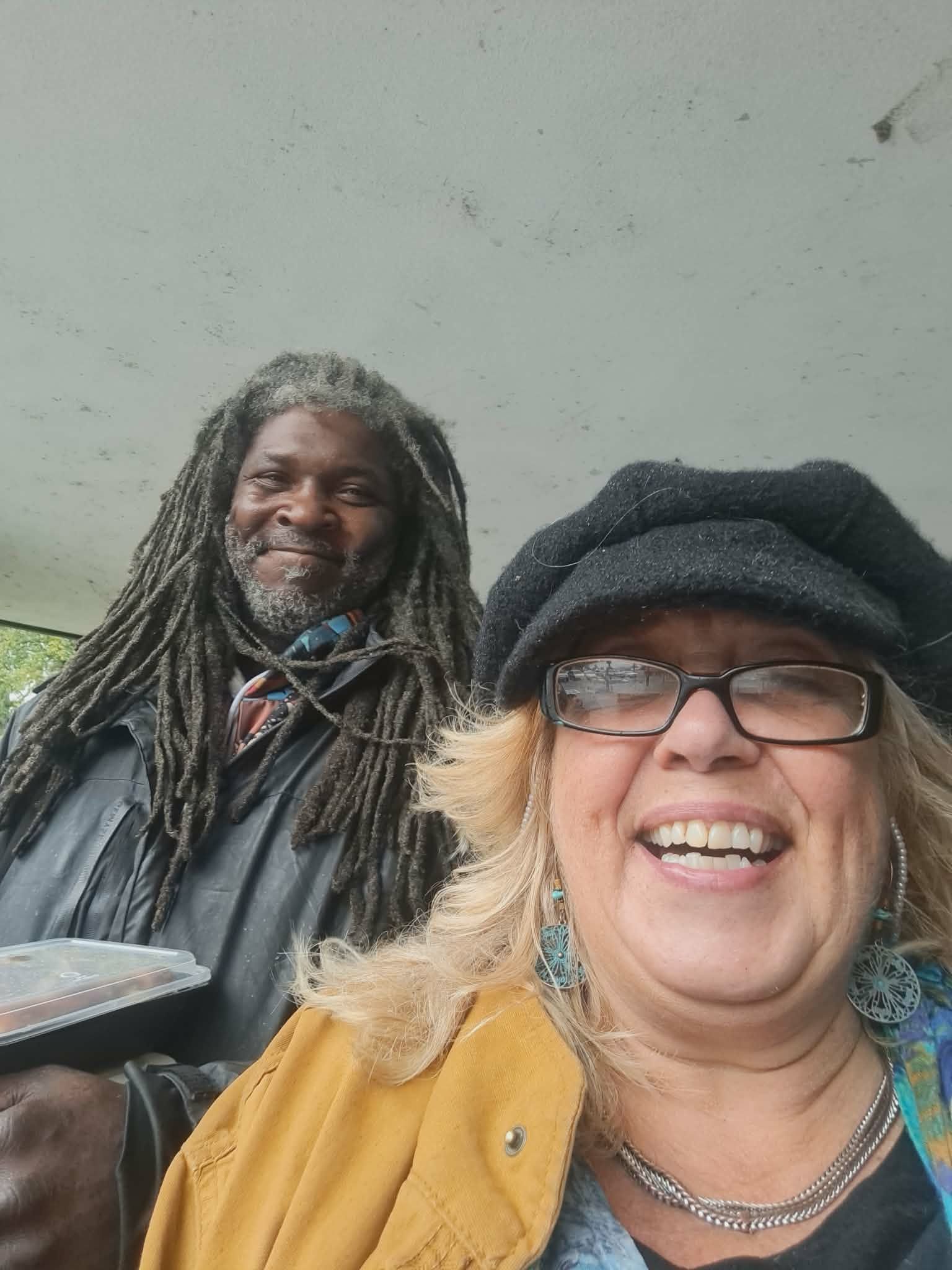
At Marin Peer Resource Community Collective (MPRCC), we’ve spent years walking alongside people experiencing homelessness. One truth comes up again and again: homelessness is not just about lacking housing—it’s about profound isolation.
Imagine not belonging anywhere.
No front door to close. No place where you are known, expected, or safe. No consistent human connection. Day after day, you move through a world where you are often ignored, judged, or pushed out of sight. Over time, that kind of isolation changes a person. It erodes trust. It wears down hope.
Encampments, for many, are not just a last resort—they are a response to that isolation.
They become community.
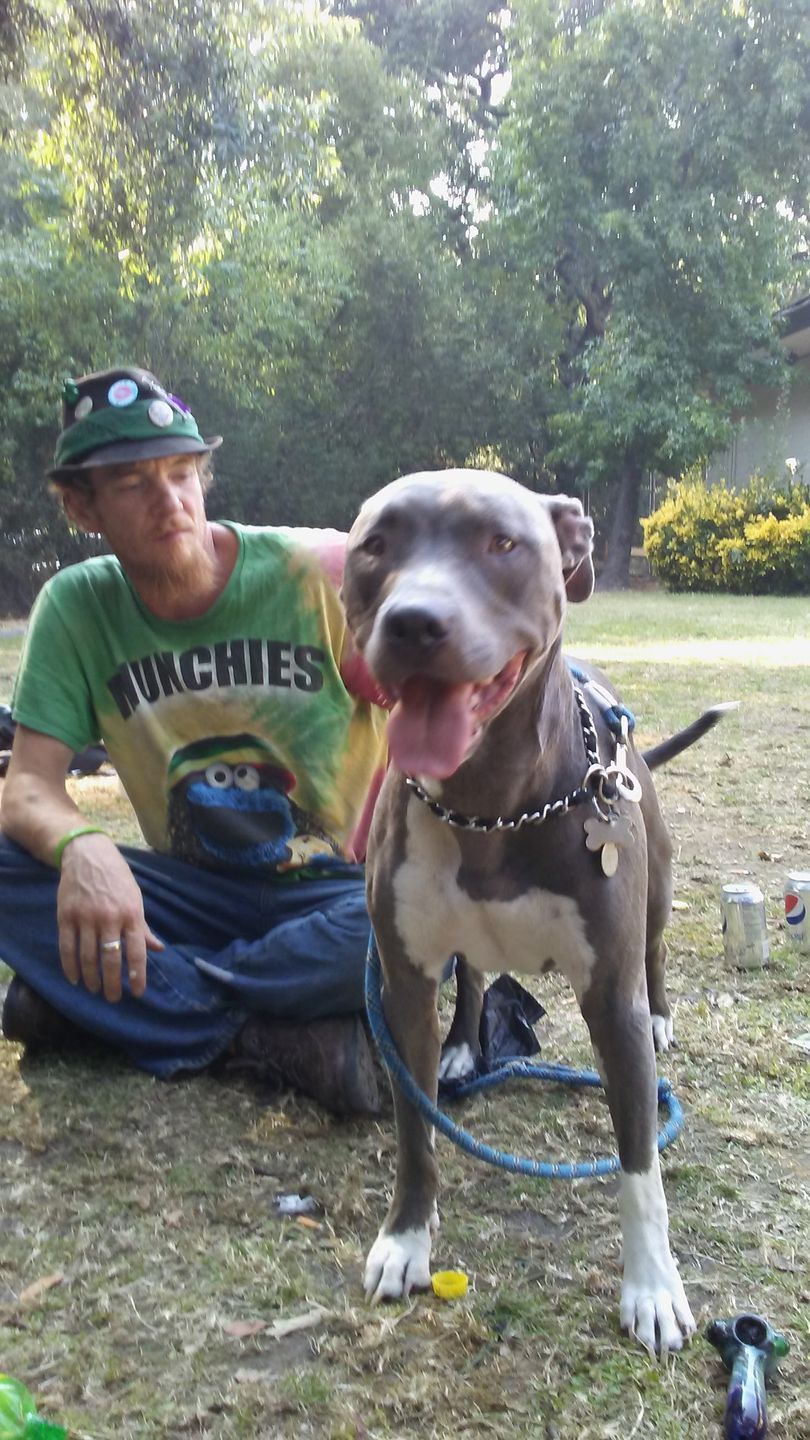
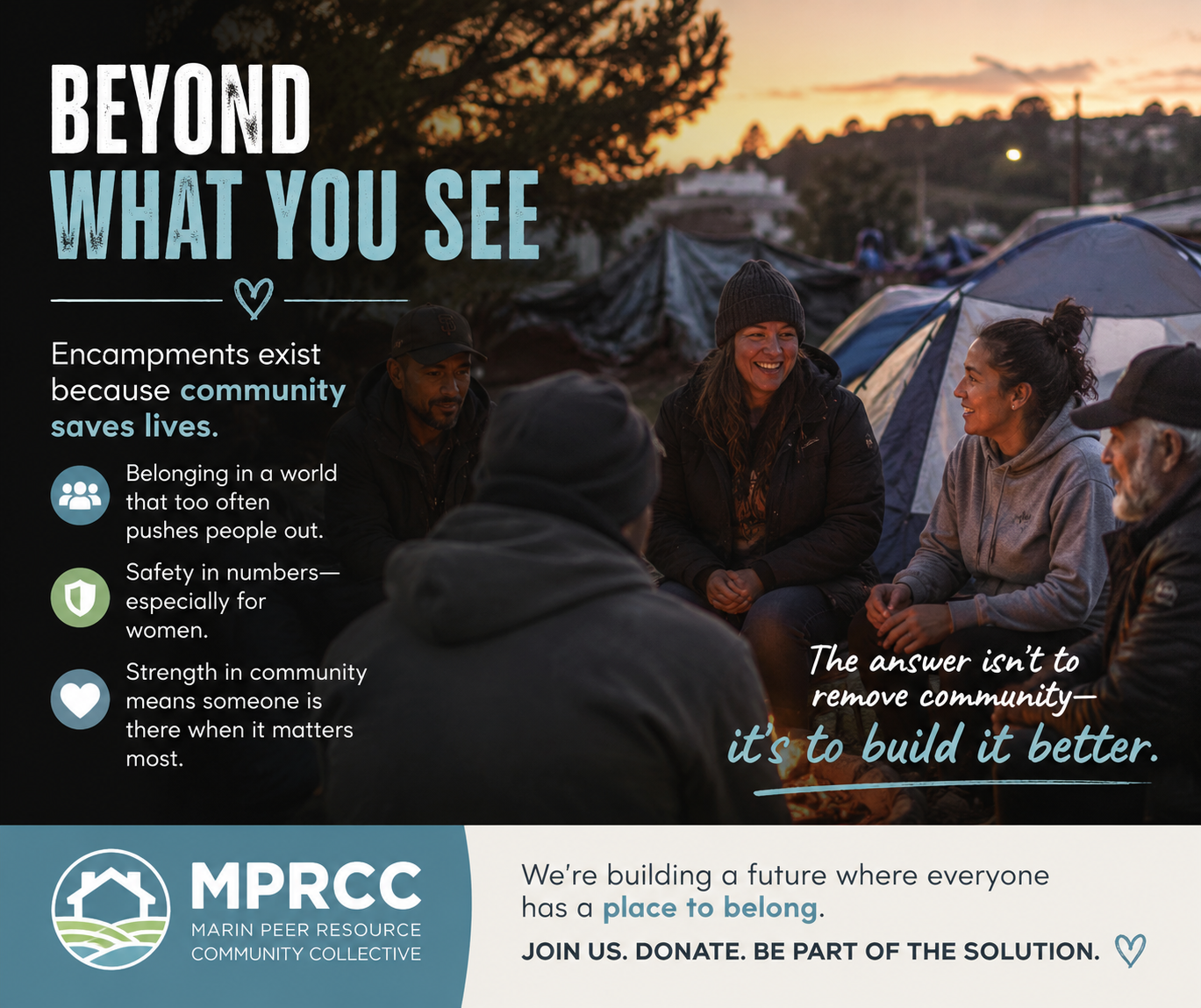
Within these camps, people find something that the traditional system often fails to provide: a sense of belonging. People look out for each other. They share food, information, and resources. They build relationships. They create an informal network of care in a world where formal systems can feel inaccessible, impersonal, or even unsafe.
For women in particular, encampments can offer a critical layer of protection. Being alone on the streets carries significant risk. In a group setting, there is safety in numbers. People notice when something is wrong. There is accountability. There is presence. That presence can mean the difference between vulnerability and survival.
There is also a hard truth that must be acknowledged: overdose deaths are often lower in community settings than in isolation. When people are alone, there is no one to intervene, no one to call for help, no one to administer life-saving measures. In encampments, people watch out for each other. They check in. They respond. The strength in numbers is not just a saying—it is a reality that saves lives.
None of this is to say that encampments are the solution. They are not. They are a symptom of a system that has not created enough safe, accessible, and dignified housing options.
But they are also a reflection of something deeply human: the need for connection.
If we truly want to address homelessness, we must move beyond simply clearing encampments and ask a more important question—what are people finding there that they are not finding anywhere else?
Because until we build solutions that offer not just housing, but community, safety, and belonging, encampments will continue to exist.
At MPRCC, we believe the answer is not to dismantle community—but to build it better.
That means creating spaces where people are not just housed, but connected. Not just sheltered, but supported. Not just placed, but welcomed.
Because everyone deserves a place where they belong.
MPRCC